What Guests Want After Booking a Hotel


What Guests Want AFTER Booking a Hotel
There's a moment that every hotel misses.
It happens right after a guest books a trip. The confirmation email lands in their inbox, they close the tab — and then something remarkable begins. They start planning. Not casually. Obsessively.
They pull up YouTube and watch videos about neighborhoods they've never visited. They ask friends who've been to the city for restaurant recommendations. They compare attractions, read reviews, calculate budgets, and adjust their savings to make sure this trip goes exactly right. For many of them, this isn't just a vacation. It's a memory they've been waiting years to create — a bucket list item finally within reach, a milestone trip with people they love.
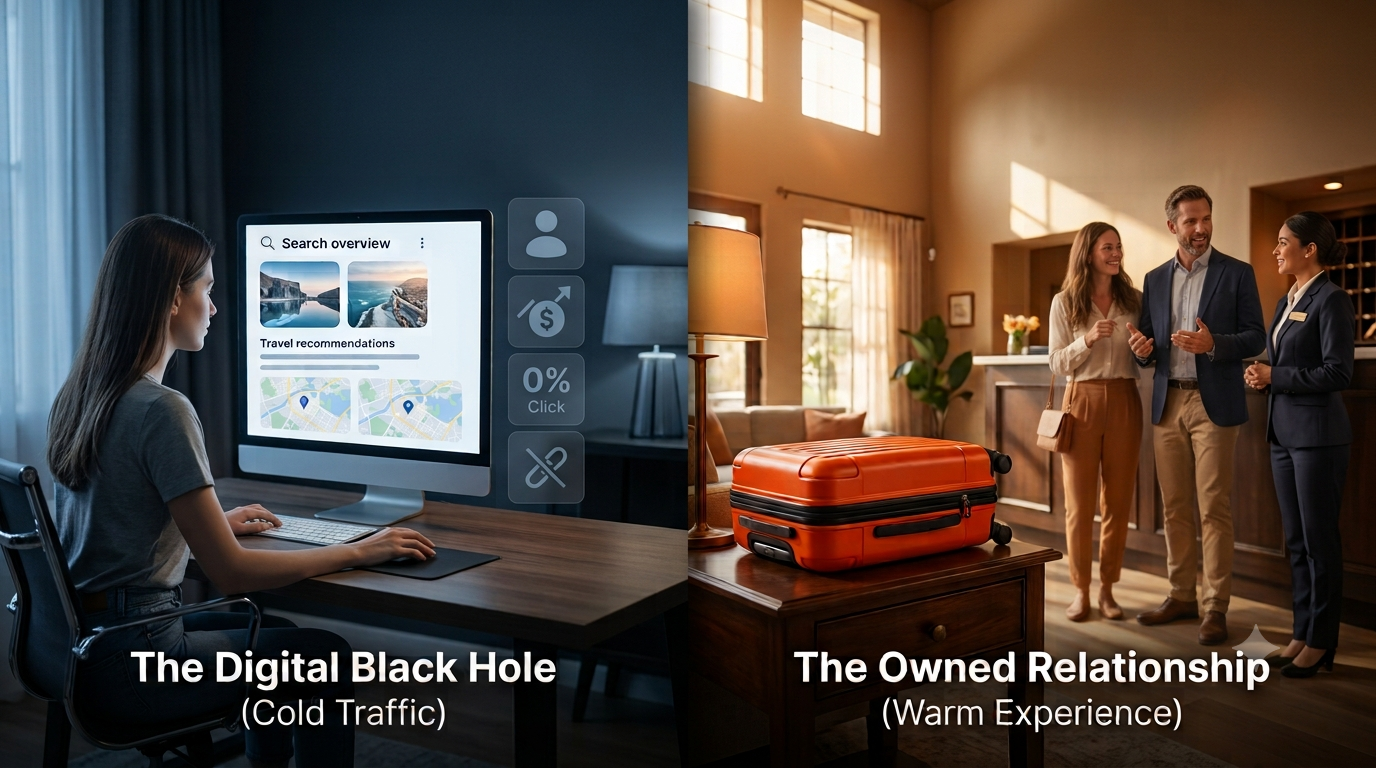
This planning phase can last weeks. Sometimes months. And during every hour of it, your hotel is completely absent.
That's the gap. And it's costing you more than you think.
{{ad-three}}
The Emotional Reality of the Post-Booking Window
To understand why this window matters, you have to understand what your guest is actually experiencing.
Most travelers book their trip with a powerful sense of what they want — but not yet a clear picture of how to get it. They know they want to see something iconic. They want a meal they'll talk about for years. They want their family or partner to feel like the whole trip was worth every dollar saved. What they don't have is local knowledge. They don't know which neighborhoods connect to which transit lines. They don't know which tourist pass saves them money versus costs them more. They don't know which restaurants need a reservation six weeks out.
So they research. Relentlessly. They watch travel vlogs, scroll through Reddit threads, text friends for advice, and bookmark attractions they're not sure they can afford. This process is exciting and exhausting in equal measure. It's the best part of the trip — the anticipation, the planning, the building sense that something special is coming — and it's also the most stressful part, because the information is everywhere and organized nowhere.
Here's what makes this particularly important for hotel operators: your guest may not have fully committed to your property yet. It's not uncommon for a traveler to hold two or three bookings simultaneously, canceling as they narrow their choices through research. The hotel that shows up during this window — that actively helps a guest move from overwhelmed to confident — isn't just being helpful. It's influencing a booking decision that hasn't been fully made.
Moving Beyond the Confirmation Email: A New Era for Hotel Pre-Arrival Marketing
Most hotels treat the pre-arrival window as an operational formality. A confirmation email goes out. Maybe a check-in reminder follows a few days before arrival. That's it.
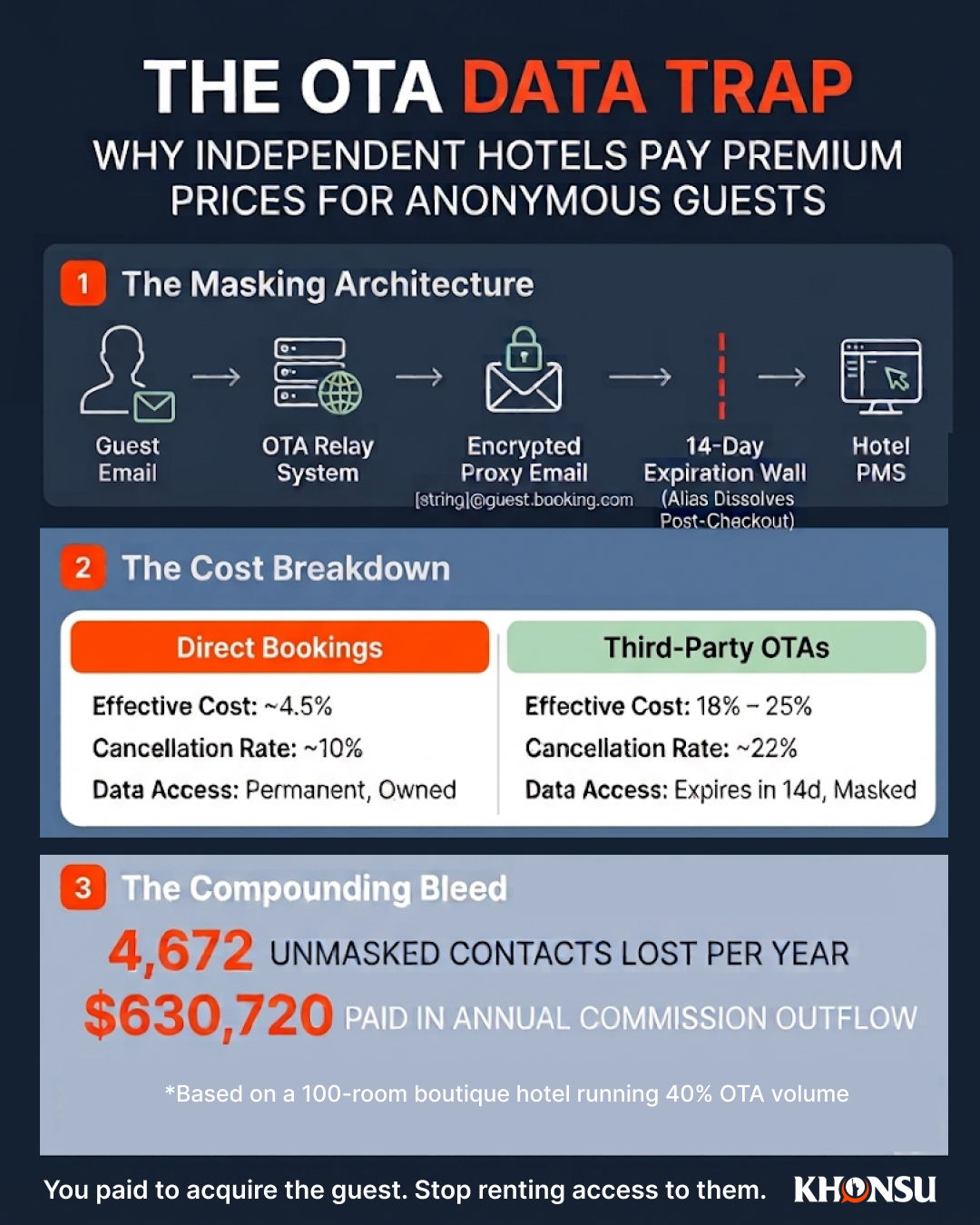
Meanwhile, the guest is spending hours every week in the hospitality market's most valuable real estate — their own planning process — guided by YouTube algorithms, travel bloggers, and OTA recommendation engines. Not you.
This is where the concept of hotel pre-arrival guest experience becomes a genuine competitive advantage, not a buzzword. The hotels that understand this window aren't just sending better emails. They're inserting their brand into the guest's most emotionally engaged moment — months before check-in — and using that presence to shape the entire arc of the trip.
The mechanism is simpler than you might expect. Instead of going silent after the confirmation, these hotels include a link in their pre-arrival email to a branded Trip Planner — a tool the guest uses to build their own personalized Smart Guide. The guest selects their attractions, restaurants, neighborhoods, and day-by-day activities. The tool layers in intelligence: local transit guidance, attraction pricing, budget tools, curated local recommendations. The guest doesn't just get information — they get their plan, built by them, organized and ready to use.
To save that Smart Guide, they provide their real email address.
That's the moment the OTA's hold on this guest ends. And it happens not at check-in — but months earlier, at the height of their excitement.
{{ad-one}}
Why Guest-Built Plans Create a Different Kind of Loyalty
There's a meaningful difference between handing a guest a guidebook and helping a guest build their own plan.
When a hotel builds a static guide, the guest receives it passively. They might skim it. They probably won't remember where it came from. But when a guest spends thirty minutes — over multiple sessions, across multiple days — building a Smart Guide, selecting the experiences that matter to them, organizing their days, calculating what they'll spend — they've invested something in it. That investment creates ownership. And that ownership attaches to the brand that made it possible.
By the time that guest walks through your front door, their entire experience has been shaped by a tool with your hotel's name on it. The restaurant they're excited about tonight — they found it because of you. The pass they bought to save the most money — because of you. The transit routes they already know by heart — mapped because of you.
That level of insight takes your property from just a place to rest to an integral part of the guest's memories.
And when it's done right, they don't need to ask your front desk anything. Not because the front desk failed them, but because the hotel already delivered — weeks ago, during the planning window that every other property left empty.
That's not just good hotel guest onboarding. That's a fundamentally different relationship with your guest before the stay even begins.
The Unique Advantage for Destination & Urban Boutique Hotels
Guests who book hotels in major destination cities are, on average, more research-intensive than guests visiting smaller, transient markets. The sheer volume of options—attractions, local transit layers, dining quirks—means the planning phase is longer, more complex, and more emotionally charged.
All hotels have an opportunity to capitalize on this moment, but boutique hotels are uniquely positioned to win it. Unlike branded corporate hotels — which guests choose for loyalty rewards and the reliability of a standardized experience — boutique properties are chosen precisely because they feel closer to the city. They feel local. Guests expect them to know things. That expectation is an invitation.
A boutique property that understands digital guest journey hospitality — that treats the post-booking window as the beginning of the guest relationship, not a gap between the sale and the stay — has an advantage that no amount of lobby renovation can replicate.
The hospitality market is moving in this direction. The properties that recognize the shift early and act on it will own the loyalty, the direct email relationships, and ultimately the repeat bookings that define long-term profitability.
The ones that stay silent after the confirmation email will keep wondering why their OTA dependency never improves.
{{ad-two}}
The Simplest Version of This Idea
Your guest books a room. They spend the next several weeks — maybe months — planning one of the most meaningful trips of their life. They are excited, slightly overwhelmed, deeply motivated to get it right.
You could be there. Or you could let Expedia be there instead.
The hotels that understand how to improve hotel guest engagement in the post-booking window aren't doing anything complicated. They're simply showing up when the guest needs them most — with a tool that helps, a brand that feels present, and an experience that begins long before check-in.
That's when loyalty is actually built. Not at the front desk. Not at checkout. In the planning window, when the guest is dreaming about what's coming — and your hotel is the one helping them get there.
To see a sample of a pre-arrival email that promotes this idea, read this next.
Reduce OTA Dependency & Reclaim The Guest Realtionship
Khonsu provides a white-labeled Guest Trip Planner for hotels and property managers. Instead of letting OTAs own the relationship, give your guests the tool they actually want to create their perfect itinerary—while you capture real emails and build brand ownership months before check-in.
Click here to see how Khonsu transforms the pre-arrival guest journey.

We'll Be In Touch Within 24 Hours
.png)